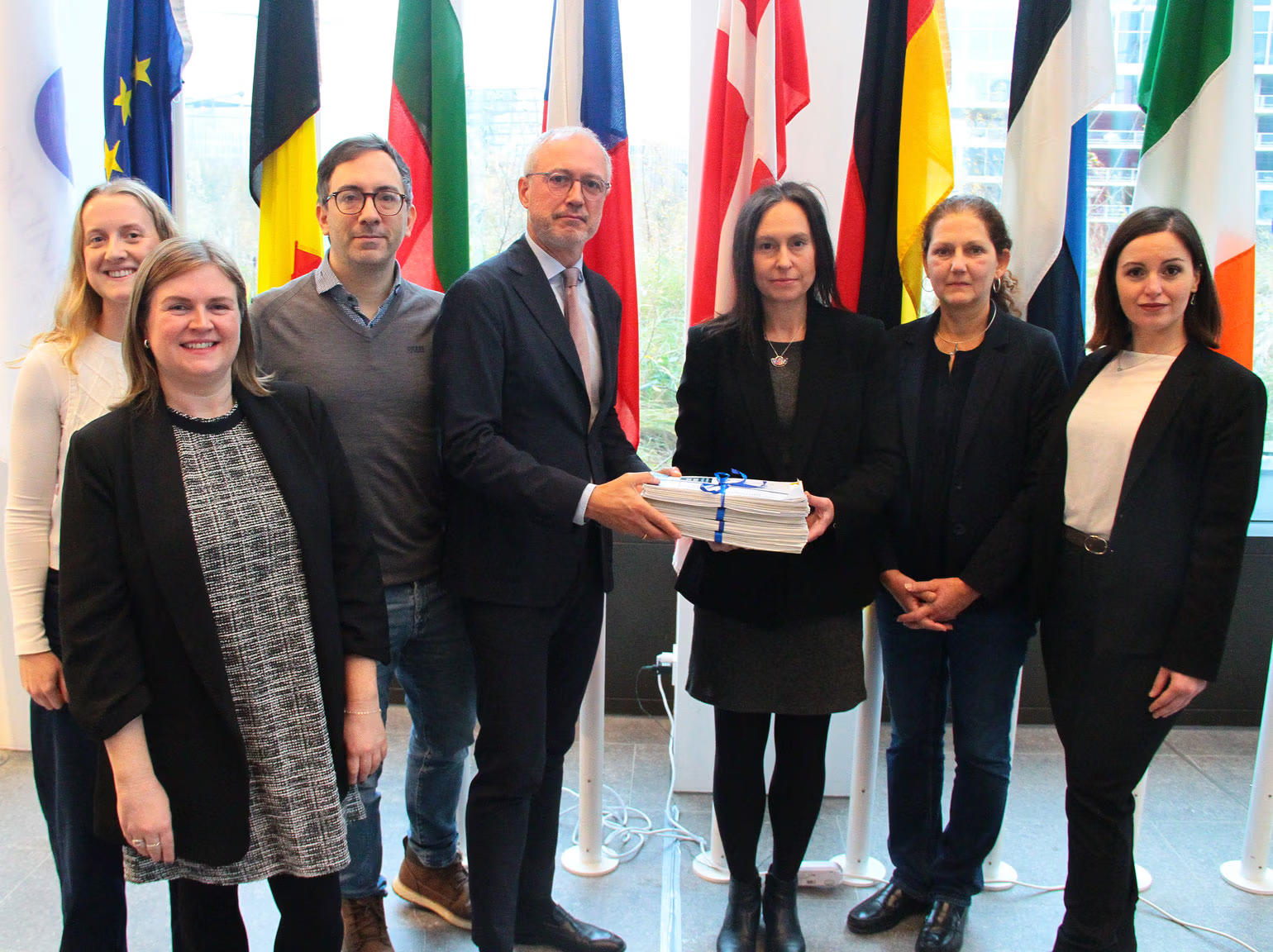
Dr. Alison Gray is the founder of AFABILITY, dedicated to replacement methods for antibody production. She is a molecular biologist at the University of Nottingham, UK, specializing in in vitro display, with several decades experience in regulatory in vitro toxicology, science and policy and the 3Rs. She is a member of the EU ESAC Working Group on Affinity Reagents, which advised the EURL ECVAM Recommendation on non-animal derived antibodies. Her contribution to antibody replacement methods has been internationally recognised by the Lush Prize for Public Awareness, the Nordic Research Award for Alternatives to Animal Testing, the NAM Ongoing Project Award and the Beagle Freedom Award.
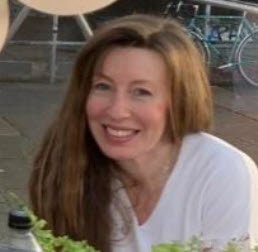
Professor Sub Reddy (University of Lancashire, UK) is an internationally recognised leader in molecularly imprinted polymers (MIPs)—synthetic receptors that rival monoclonal antibodies in affinity and selectivity. His research delivers animal-free antibody alternatives for biosensing and analytical applications. Professor Reddy’s group has developed proprietary methods for the rapid, scalable production of high-affinity nanoscale MIPs, enabling applications in biosensors, diagnostics, bio-extraction, and bio-purification. This work is now advancing towards commercialisation through an upcoming university spin-out in partnership with industry. Funded by EPSRC and the Wellcome Trust, his research has led to multiple patents and over 100 peer-reviewed publications. He is a Fellow of the Royal Society of Chemistry and the Royal Society of Biology.
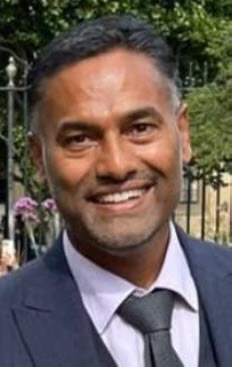
Dr Christian Tiede holds a doctorate in biochemistry from Charité – Universitätsmedizin Berlin. He joined the Bioscreening Technology Group at the University of Leeds in 2011. After establishing the Adhiron screening platform at the University, Christian was appointed Bioscreening Group Manager in 2016. In this role, he oversees the delivery of a specialist service for the isolation, characterisation, and production of Adhiron reagents targeting a wide range of therapeutic, diagnostic, and research targets, supporting clinicians, academic researchers, and industrial partners. In parallel, he leads his own research programme focused on the development of Adhirons as direct replacements for secondary antibodies.
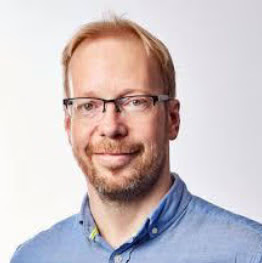
As Chief Scientific Officer at Aptamer Group, Dr. David Bunka leads R&D and customer validation, with a focus on developing synthetic Optimer® binders. With a Ph.D. in Molecular Biology and two decades of experience, David has pioneered high-throughput, automated selection methods to target diverse molecules—from small-molecule food contaminants to cancer biomarkers. An internationally recognized expert, he has authored numerous peer-reviewed publications and a book chapter on aptamer therapeutics. David is a frequent speaker at global conferences, advocating for the commercial transition to animal-free, high-performance binders in iagnostics, personal care, and environmental monitoring.
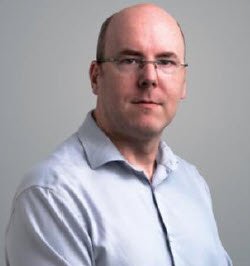
Sophie is a technical sales specialist for Bio-Rad’s Custom Antibody Service for the UK, Nordics and Asia Pacific, and has been with Bio-Rad for 9 years. Prior to this she worked as a Research Associate for Cambridge-based antibody therapeutics company, IONTAS. Sophie holds a degree from the University of Sheffield (UK), and a PhD and post-doctoral research experience from the University of Cambridge (UK). Her talk will focus on explaining how advances in recombinant antibody technology allow the generation of highly specific antibodies without the need for animals.

Pierre Cosson is a Professor at the Department of Cell Physiology and Metabolism, University of Geneva. Pierre and his team are pioneering the transition from animal-derived to recombinant antibodies to solve the “reproducibility crisis” in biomedical research. Central to their work is the Geneva Antibody Facility, which utilizes phage display to discover and produce chemically defined reagents in vitro. To ensure transparency and standardisation, they developed the ABCD (AntiBodies Chemically Defined) database, assigning unique identifiers to sequenced antibodies. Furthermore, they established Antibody Reports, an open-access journal for validating and characterising these tools, promoting an animal-free, sequence-based future for scientific discovery.
Ross is Head of Science at the Centre for Human Specific Research, a new initiative from Animal Free Research UK supporting academia and industry to adopt human-specific research and transition away from animal-derived biomaterials. He completed his PhD at the Roslin Institute, University of Edinburgh, followed by postdoctoral research at the Centre for Inflammation Research, Queen’s Medical
Research Institute. Ross later held Senior and Principal Scientist roles at Concept Life Sciences. With over a decade of academic and industry experience, he has seen first-hand the transformative impact of human-specific approaches on biomedical research.



 Scan koden med din mobiltelefon